Human experience
December 2024 - January 2025 project
About observing the details, analyzing & learning from them (even when going out to buy some baking paper), so without further a do, let's begin!

1/4
What is all about?
👀 Life through the eyes of a designer
Being a designer often trains the eye to notice the little details that have a real impact on people's lives and this awareness was amplified for me after moving to another country, where I don't speak and understand the language.
So, this is a case study based on a lot of research on accessibility and also inspired by some of my needs and observations that affects other people too. (expats like me, friends, family)

My role: Design researcher & observer human being
Project duration: Two months
The project: Observations, research and analize the human experience
About: Accessibility, safety, usability, observation, empathy, inclusion, natural and intuitive designs
2/4
Solve for one, extend to many
I love to walk, a lot, like — A LOT — this is one of my hobbies, just walking around, take some fresh air, disconnect with work and other worries in life, enjoy the buildings, the streets, smiling at people, stop by a coffee place and appreciate the barista’s talent for making that beautiful heart in your cappuccino.

A lot of things make our lives easier, for example: public signs, directions for public transportation, products designed so good and so intuitive for the human nature that we usually ignore them and don’t even realize how much matter because the interaction with them was effortless.
What I learned?
😓 We get used so quickly with the good stuff but it’s so difficult to go back to the hard times.
💨 Technology can go both ways: When is good is good, but when is bad - is so frustrating.
🖥️ We are so used to technology now, that we don’t even realize how hard is without it and what a big role plays in our lives.
🔬 Research and testing are crucial! We all have biases and sometimes is so hard to be aware of it.
❤️ I love to design pretty stuff, but it’s not all about that.
3/4
Three real life examples
When designers focus on specific user needs, they push themselves to think in new ways, which leads to more creative, flexible, and thoughtful solutions that end up helping more people than they first expected.
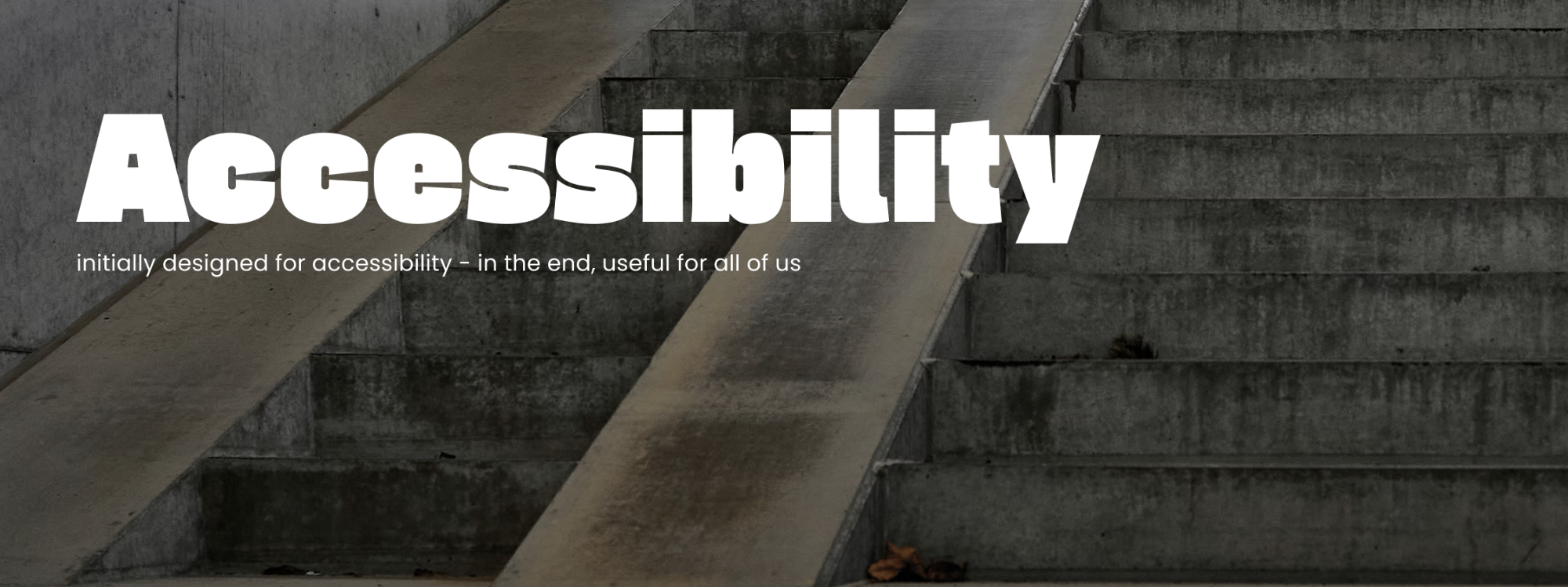
1.Design with accessibility in mind: The main reason for a ramp is to help people in wheelchairs get around, but it also helps parents with children in strollers, delivery workers with carts and anyone who finds stairs hard to use (and for Kung Fu Panda).
Awareness note: In fact, it makes things easier for everyone, not just those with special needs that are facing permanent, temporary or situational limitations.

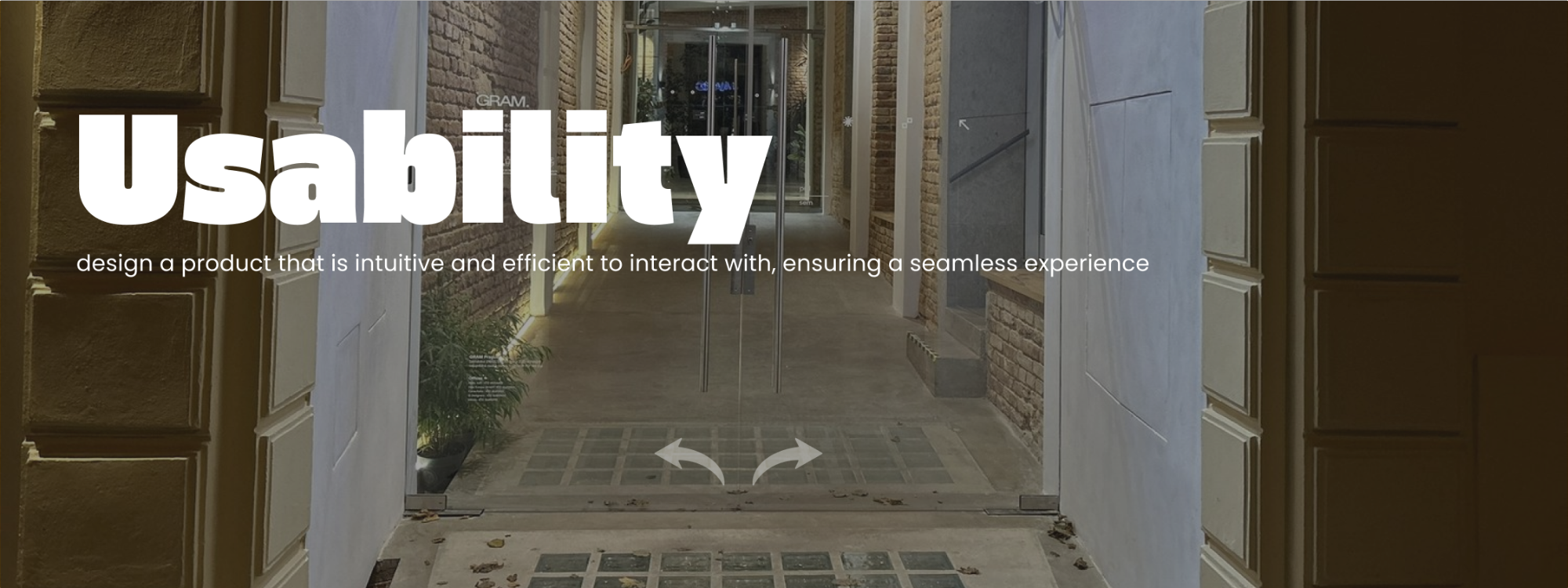
2.Think about usability: When designing a product, even if it’s a physical or digital one, we need to always think about functionality and test how users interact with it. I saw a very nice touch at Gram restaurant in Prague, they have glass doors and on the floor they have arrows that help you see in which direction is the door opening.
Awareness note: When visiting a country where you don’t understand the language, text-only labels like "push" or "pull" on doors can be confusing. In such cases, providing additional visual cues, such as arrows or symbols alongside the text, helps everyone understand how to operate the door, regardless of language - this improves accessibility and reduces confusion.
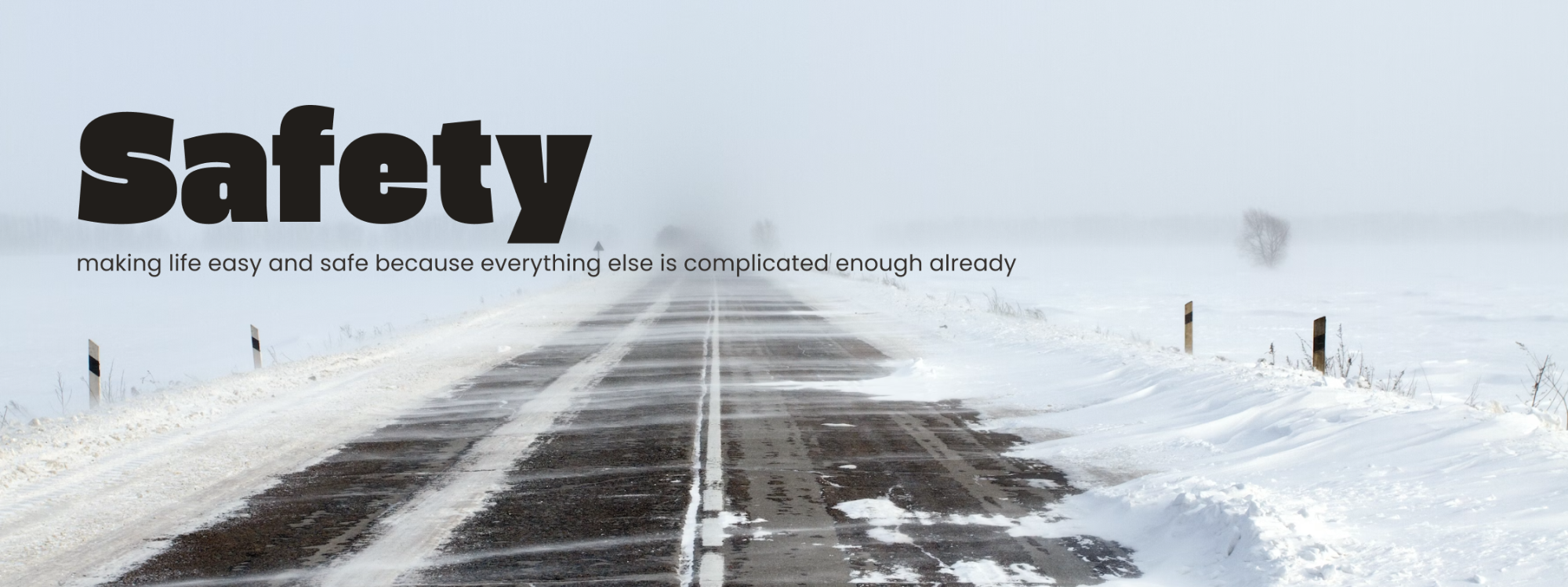
3.Think about the safety of your users: That magic slippery walkway material in winter is indeed something from heaven. I'm so scared when I see ice on the sidewalk, and all these materials and solutions humanity discovered against dangerous slipping (for people, cars, etc.) are making our lives easier in winter. Is already cold and dark, so, it doesn’t have to be risky and slippery too.
Cool info: Apparently, a mixture with paving stones, broomed concrete and natural stone makes the walkways safest and least slippery.
Awareness note: Older people are the most exposed to this danger, and that's why when it snows, there are more and more ambulances circulating around the city. (or just people who are looking on their phone and don't pay attention to the surroundings)
The same safety value is appling for digital products - user safety means protecting personal data and keeping online activities secure. Like proton.me strong security prevents risks and builds trust, so people can use digital services without worrying. In today’s world, safety isn’t just important, it’s essential.
4/4
Reflections
🫶 Good design doesn't leave anyone out!
👨🦽➡️ When we design for people who face unique challenges, we need to look at problems in different ways. Interestingly, solutions created for those with specific needs often end up being useful and appealing to everyone.
🪴 Good design is clear and simple - making everything easy for people of all ages and tech skills to use.
👀 So important to dive deep into understanding the social, physical, emotional, and cognitive needs of the people we’re designing for.
🫀 We should strive to understand what people think, feel, see, and do in their day-to-day lives. Empathy helps you step into the shoes of others.
🙋🏻♀️ Create a world that works for everyone: by designing with inclusivity in mind, you ensure that people, regardless of ability, background, or circumstances - can participate and feel empowered.
Thank you very much for your time!
© 2025 Designed and implemented by Ana